Delhi
08048034825
+919899484440

Effluent Treatment Plant

Phone Number

08048034825

Please keep 0 before dialling the number.

Mon-Thu: 10 AM - 2 PM • Fri: 3 PM - 7AM

Other Website Visit our other website
Address Block -J, Plot No. 125, near Power Plant, DSIIDC Industrial Area, Sector 5, Bawana, New Delhi, Delhi, 110039

Delhi, India, 110039
Description

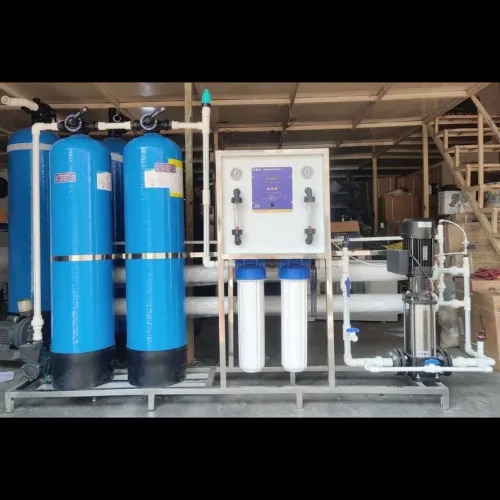
Effluent Treatment Plant at Neel Guard Aqua Systems Neel Guard Aqua Systems is engaged in providing advanced and customized Effluent Treatment Plant (ETP) solutions for industries and commercial facilities that generate wastewater containing organic, inorganic, chemical, and other industrial pollutants. Our ETP systems are designed to help industries manage wastewater responsibly through appropriate physical, chemical, and biological treatment processes. Industrial wastewater can vary significantly depending on the manufacturing process, raw materials, chemicals used, production capacity, and operating conditions. Therefore, an effective Effluent Treatment Plant requires careful consideration of wastewater characteristics, flow rates, pollutant loads, treatment objectives, available space, and applicable environmental requirements. At Neel Guard Aqua Systems, we focus on developing practical wastewater-treatment solutions that can be customized according to the specific requirements of each industry. Our objective is to help customers achieve efficient wastewater treatment, responsible water management, and opportunities for treated-water reuse wherever technically and legally appropriate. What Is an Effluent Treatment Plant? An Effluent Treatment Plant (ETP) is a wastewater treatment system used to treat industrial effluent generated during manufacturing and processing activities. Industrial effluent may contain suspended solids, dissolved solids, oils and grease, organic pollutants, colour, chemicals, heavy metals, and other contaminants. The composition differs from one industry to another, which is why the treatment process must be selected according to the actual wastewater characteristics. An ETP generally combines multiple treatment stages to remove or reduce pollutants and produce treated water suitable for the intended discharge or reuse application, subject to applicable standards and site requirements. Importance of Effluent Treatment Plants Industrial wastewater that is discharged without appropriate treatment can negatively affect water resources, soil, ecosystems, and surrounding environments. An efficiently designed ETP provides industries with a structured approach to wastewater management. A properly operated ETP can help: Reduce the pollutant load in industrial wastewater Improve wastewater quality before discharge Support responsible environmental management Facilitate appropriate water reuse Reduce dependence on freshwater for selected applications Improve overall wastewater-management practices Support compliance with applicable environmental requirements Effluent Treatment Plant Solutions by Neel Guard Aqua Systems Neel Guard Aqua Systems understands that industrial wastewater is not uniform. A textile unit, pharmaceutical facility, food-processing plant, chemical manufacturer, metal-processing facility, or engineering industry may produce completely different effluent streams. Our ETP solutions can therefore be developed based on: Type of industry Wastewater characteristics Daily effluent generation Peak flow requirements COD and BOD levels TSS and TDS concentration pH variation Oil and grease content Chemical composition Colour and odour Presence of specific contaminants Desired treated-water quality Discharge or reuse requirements Available installation area Working Process of an Effluent Treatment Plant An ETP normally consists of several treatment stages. The exact process configuration depends on the industrial effluent analysis and project requirements. 1. Collection and Inlet System Industrial wastewater is collected from different production areas and directed towards the ETP through an appropriate collection and conveyance system. Proper collection helps separate wastewater streams and ensures that the treatment plant receives a controlled flow. 2. Screening The incoming effluent may pass through screens to remove larger solid materials and debris. Screening protects pumps, valves, pipelines, and downstream treatment equipment from blockage or damage. 3. Equalization An equalization tank helps balance variations in wastewater flow and pollutant concentration. Industrial production can generate wastewater with different characteristics at different times. Equalization provides a more consistent feed to subsequent treatment stages and can improve overall process stability. 4. pH Adjustment Many industrial effluents may be acidic or alkaline depending on the manufacturing process. A neutralization system can be incorporated to adjust the pH to a suitable range for subsequent treatment processes. Proper pH control is particularly important for chemical treatment and biological treatment stages. 5. Coagulation and Flocculation Coagulation and flocculation can be used to remove suspended and colloidal impurities that are difficult to separate through simple settling. Appropriate chemicals may be added to destabilize contaminants and form larger flocs that can be separated through clarification. 6. Primary Clarification The flocculated wastewater may enter a clarifier or settling system where heavier particles settle as sludge. The clarified water then moves to subsequent treatment stages, while the collected sludge is transferred for appropriate sludge handling. 7. Biological Treatment Where biodegradable organic pollutants are present, biological treatment may be incorporated into the ETP. Microorganisms consume biodegradable organic matter under controlled operating conditions, helping reduce parameters such as BOD and, depending on the process, COD. Different biological treatment technologies can be considered according to wastewater characteristics and treatment objectives. 8. Secondary Clarification Following biological treatment, biological solids can be separated from treated water using a clarification process. The separated sludge may be recycled within the biological system or removed for further treatment and disposal according to the plant design. 9. Tertiary Treatment Additional treatment may be required when higher treated-water quality is desired. Tertiary treatment may include processes such as: Pressure sand filtration Activated carbon filtration Micron filtration Advanced oxidation Membrane treatment Disinfection The exact combination is selected according to the final water-quality requirements. 10. Sludge Management Treatment processes generate sludge containing concentrated pollutants removed from the wastewater. Proper sludge management is an important part of ETP operation. Depending on the sludge characteristics, dewatering equipment such as a filter press or other suitable systems may be incorporated. 11. Treated Water Storage After completing the required treatment stages, treated effluent can be stored in a treated-water tank. Depending on water quality and applicable requirements, treated water may be considered for suitable reuse applications or discharge. Types of Effluent Treatment Plant Technologies Neel Guard Aqua Systems can develop ETP configurations using appropriate technologies based on the wastewater analysis and project requirements. Chemical Effluent Treatment Plant Chemical treatment is often used where wastewater contains contaminants that require chemical reactions for effective removal. Processes may include neutralization, coagulation, precipitation, oxidation, and other chemical treatment methods. Biological Effluent Treatment Plant Biological treatment uses microorganisms to break down biodegradable organic pollutants. It can be an important component of ETPs treating effluent with significant biodegradable organic content. MBBR-Based ETP Moving Bed Biofilm Reactor (MBBR) technology uses specially designed media to support microbial growth. It can provide efficient biological treatment within a relatively compact configuration. Activated Sludge Process The activated sludge process uses suspended microorganisms to biologically treat wastewater. It is a widely established biological wastewater-treatment approach. Membrane-Based Treatment Membrane technologies can be incorporated where higher levels of filtration or water recovery are required. Depending on the application, technologies such as UF, NF, and RO may be considered as part of an advanced treatment or water-recovery system. Industries That Can Use ETP Systems Effluent Treatment Plants are required across numerous industries where manufacturing or processing activities generate wastewater. Neel Guard Aqua Systems can develop wastewater-treatment solutions for applications such as: Textile industries Dyeing and printing industries Pharmaceutical industries Chemical industries Food-processing industries Dairy industries Beverage industries Paper and pulp industries Distillery-related applications Electroplating industries Metal-processing industries Automobile and engineering industries Paint and coating industries Tanneries Laboratories Manufacturing facilities Industrial estates The appropriate treatment process depends on the actual wastewater generated by the facility. ETP for Textile Industry Textile manufacturing and dyeing processes can generate wastewater containing colour, suspended solids, chemicals, salts, organic matter, and other contaminants. An ETP for textile wastewater may incorporate a combination of equalization, pH correction, coagulation-flocculation, biological treatment, clarification, filtration, and advanced treatment depending on the wastewater characteristics and required treated-water quality. ETP for Pharmaceutical Industry Pharmaceutical wastewater can have complex and variable characteristics due to different production processes and raw materials. Treatment solutions may require carefully selected physical, chemical, biological, and advanced treatment processes. Proper wastewater characterization is essential for selecting an appropriate ETP configuration. ETP for Food and Dairy Industry Food-processing and dairy wastewater can contain high levels of biodegradable organic matter, suspended solids, fats, oils, and grease. Biological treatment can play an important role in these applications, supported by appropriate preliminary and primary treatment stages. ETP for Chemical Industries Chemical manufacturing wastewater can contain variable concentrations of acids, alkalis, dissolved chemicals, suspended solids, and other contaminants. Chemical treatment, neutralization, precipitation, and other specialized processes may be incorporated based on the wastewater analysis. ETP for Electroplating and Metal Industries Electroplating and metal-processing wastewater may contain heavy metals and other inorganic contaminants. Depending on the specific wastewater composition, treatment can include pH adjustment, chemical precipitation, coagulation, clarification, filtration, and additional polishing processes. Benefits of Effluent Treatment Plant Installing an appropriately designed ETP can provide several operational and environmental benefits. Improved Wastewater Quality The treatment system helps remove or reduce targeted pollutants from industrial effluent. Environmental Responsibility Effective effluent treatment supports responsible management of industrial wastewater and helps reduce the impact of untreated discharge. Water Conservation Treated wastewater can potentially be reused for appropriate non-potable applications, helping industries reduce freshwater consumption. Better Process Management An ETP provides a structured system for collecting, treating, monitoring, and managing industrial wastewater. Potential for Water Recycling With additional treatment technologies, industries may be able to recover and reuse a portion of their wastewater, depending on water-quality requirements and project economics. Customized Treatment ETP systems can be engineered according to industry-specific wastewater characteristics rather than relying on a one-size-fits-all approach. Zero Liquid Discharge Solutions For industries requiring extensive water recovery and minimal or no liquid discharge, advanced Zero Liquid Discharge (ZLD) systems may be considered. A ZLD system generally combines multiple treatment and water-recovery processes to maximize water recovery and manage concentrated reject streams. Depending on the application, an integrated solution may include: Pretreatment Biological treatment Filtration Ultrafiltration Reverse osmosis Multiple-effect evaporation or other concentration technologies Crystallization where required ZLD feasibility depends strongly on effluent characteristics, recovery targets, energy requirements, site conditions, and project economics. ETP Operation and Maintenance Consistent ETP performance depends not only on equipment selection but also on proper operation and maintenance. Regular activities can include: Monitoring wastewater flow Checking pH Monitoring treatment parameters Maintaining pumps and blowers Inspecting chemical-dosing systems Cleaning filters Managing biological treatment Removing accumulated sludge Maintaining electrical and control systems Monitoring treated-water quality Maintaining treatment records Routine maintenance helps improve plant reliability and can reduce unexpected operational problems. Customized ETP Design Every industrial wastewater-treatment project is different. Before selecting a treatment technology, important parameters should be evaluated through appropriate wastewater characterization and process assessment. At Neel Guard Aqua Systems, ETP solutions can be planned around: Effluent Quantity + Effluent Quality + Treatment Objective + Site Conditions + Reuse/Discharge Requirement This approach helps create a treatment system aligned with the actual needs of the customer. Why Choose Neel Guard Aqua Systems? Neel Guard Aqua Systems focuses on providing practical and customized wastewater-treatment solutions for industrial applications. Our approach emphasizes: Customized ETP solutions Industry-specific treatment approaches Modern treatment technologies Efficient plant configurations Quality-oriented equipment selection Space-conscious designs Process-focused engineering Reliable wastewater treatment Installation and commissioning support Operation and maintenance guidance Water-reuse and recycling opportunities Our goal is to help industries establish effective wastewater-management systems that support both operational requirements and environmental responsibility. Effluent Treatment Plant Manufacturer and Supplier If you are searching for an Effluent Treatment Plant Manufacturer, ETP Supplier, Industrial Wastewater Treatment Plant Manufacturer, or Customized ETP Solution Provider, Neel Guard Aqua Systems can provide solutions based on your project requirements. Our team can evaluate the wastewater-treatment requirement and develop an appropriate process configuration according to the industry, effluent characteristics, treatment capacity, available space, and desired treated-water quality. Conclusion An efficient Effluent Treatment Plant is an essential component of responsible industrial wastewater management. Industrial effluent can contain a wide range of contaminants, and the correct treatment approach depends on the specific characteristics of the wastewater. Neel Guard Aqua Systems provides customized ETP solutions incorporating appropriate physical, chemical, biological, filtration, membrane, and advanced treatment technologies where required. Our focus is on developing practical and efficient wastewater-treatment systems that help industries manage effluent responsibly, conserve water, and explore opportunities for treated-water reuse. For industries looking for dependable ETP Plant solutions, Neel Guard Aqua Systems is committed to delivering application-oriented wastewater-treatment systems designed around individual project requirements. SEO Keywords Effluent Treatment Plant, ETP Plant, Effluent Treatment Plant Manufacturer, Effluent Treatment Plant Supplier, ETP Manufacturer in India, ETP Supplier in India, Industrial Effluent Treatment Plant, Industrial Wastewater Treatment Plant, Wastewater Treatment Plant Manufacturer, Chemical Effluent Treatment Plant, Biological ETP Plant, MBBR ETP Plant, Pharmaceutical ETP Plant, Textile ETP Plant, Dairy ETP Plant, Food Industry ETP, Chemical Industry ETP, Electroplating ETP, Zero Liquid Discharge Plant, ZLD Plant, Industrial Wastewater Treatment Solutions, Water Recycling Plant, Neel Guard Aqua Systems.

Other Products

view all

6814772a5d263414004dd4a4 Card 2

product image

Effluent Treatment Plant at Neel Guard Aqua Systems Neel Guard Aqua Systems is engaged in providing advanced and customized Effluent Treatment Plant (ETP) solutions for industries and commercial facilities that generate wastewater containing organic, inorganic, chemical, and other industrial pollutants. Our ETP systems are designed to help industries manage wastewater responsibly through appropriate physical, chemical, and biological treatment processes. Industrial wastewater can vary significantly depending on the manufacturing process, raw materials, chemicals used, production capacity, and operating conditions. Therefore, an effective Effluent Treatment Plant requires careful consideration of wastewater characteristics, flow rates, pollutant loads, treatment objectives, available space, and applicable environmental requirements. At Neel Guard Aqua Systems, we focus on developing practical wastewater-treatment solutions that can be customized according to the specific requirements of each industry. Our objective is to help customers achieve efficient wastewater treatment, responsible water management, and opportunities for treated-water reuse wherever technically and legally appropriate. What Is an Effluent Treatment Plant? An Effluent Treatment Plant (ETP) is a wastewater treatment system used to treat industrial effluent generated during manufacturing and processing activities. Industrial effluent may contain suspended solids, dissolved solids, oils and grease, organic pollutants, colour, chemicals, heavy metals, and other contaminants. The composition differs from one industry to another, which is why the treatment process must be selected according to the actual wastewater characteristics. An ETP generally combines multiple treatment stages to remove or reduce pollutants and produce treated water suitable for the intended discharge or reuse application, subject to applicable standards and site requirements. Importance of Effluent Treatment Plants Industrial wastewater that is discharged without appropriate treatment can negatively affect water resources, soil, ecosystems, and surrounding environments. An efficiently designed ETP provides industries with a structured approach to wastewater management. A properly operated ETP can help: Reduce the pollutant load in industrial wastewater Improve wastewater quality before discharge Support responsible environmental management Facilitate appropriate water reuse Reduce dependence on freshwater for selected applications Improve overall wastewater-management practices Support compliance with applicable environmental requirements Effluent Treatment Plant Solutions by Neel Guard Aqua Systems Neel Guard Aqua Systems understands that industrial wastewater is not uniform. A textile unit, pharmaceutical facility, food-processing plant, chemical manufacturer, metal-processing facility, or engineering industry may produce completely different effluent streams. Our ETP solutions can therefore be developed based on: Type of industry Wastewater characteristics Daily effluent generation Peak flow requirements COD and BOD levels TSS and TDS concentration pH variation Oil and grease content Chemical composition Colour and odour Presence of specific contaminants Desired treated-water quality Discharge or reuse requirements Available installation area Working Process of an Effluent Treatment Plant An ETP normally consists of several treatment stages. The exact process configuration depends on the industrial effluent analysis and project requirements. 1. Collection and Inlet System Industrial wastewater is collected from different production areas and directed towards the ETP through an appropriate collection and conveyance system. Proper collection helps separate wastewater streams and ensures that the treatment plant receives a controlled flow. 2. Screening The incoming effluent may pass through screens to remove larger solid materials and debris. Screening protects pumps, valves, pipelines, and downstream treatment equipment from blockage or damage. 3. Equalization An equalization tank helps balance variations in wastewater flow and pollutant concentration. Industrial production can generate wastewater with different characteristics at different times. Equalization provides a more consistent feed to subsequent treatment stages and can improve overall process stability. 4. pH Adjustment Many industrial effluents may be acidic or alkaline depending on the manufacturing process. A neutralization system can be incorporated to adjust the pH to a suitable range for subsequent treatment processes. Proper pH control is particularly important for chemical treatment and biological treatment stages. 5. Coagulation and Flocculation Coagulation and flocculation can be used to remove suspended and colloidal impurities that are difficult to separate through simple settling. Appropriate chemicals may be added to destabilize contaminants and form larger flocs that can be separated through clarification. 6. Primary Clarification The flocculated wastewater may enter a clarifier or settling system where heavier particles settle as sludge. The clarified water then moves to subsequent treatment stages, while the collected sludge is transferred for appropriate sludge handling. 7. Biological Treatment Where biodegradable organic pollutants are present, biological treatment may be incorporated into the ETP. Microorganisms consume biodegradable organic matter under controlled operating conditions, helping reduce parameters such as BOD and, depending on the process, COD. Different biological treatment technologies can be considered according to wastewater characteristics and treatment objectives. 8. Secondary Clarification Following biological treatment, biological solids can be separated from treated water using a clarification process. The separated sludge may be recycled within the biological system or removed for further treatment and disposal according to the plant design. 9. Tertiary Treatment Additional treatment may be required when higher treated-water quality is desired. Tertiary treatment may include processes such as: Pressure sand filtration Activated carbon filtration Micron filtration Advanced oxidation Membrane treatment Disinfection The exact combination is selected according to the final water-quality requirements. 10. Sludge Management Treatment processes generate sludge containing concentrated pollutants removed from the wastewater. Proper sludge management is an important part of ETP operation. Depending on the sludge characteristics, dewatering equipment such as a filter press or other suitable systems may be incorporated. 11. Treated Water Storage After completing the required treatment stages, treated effluent can be stored in a treated-water tank. Depending on water quality and applicable requirements, treated water may be considered for suitable reuse applications or discharge. Types of Effluent Treatment Plant Technologies Neel Guard Aqua Systems can develop ETP configurations using appropriate technologies based on the wastewater analysis and project requirements. Chemical Effluent Treatment Plant Chemical treatment is often used where wastewater contains contaminants that require chemical reactions for effective removal. Processes may include neutralization, coagulation, precipitation, oxidation, and other chemical treatment methods. Biological Effluent Treatment Plant Biological treatment uses microorganisms to break down biodegradable organic pollutants. It can be an important component of ETPs treating effluent with significant biodegradable organic content. MBBR-Based ETP Moving Bed Biofilm Reactor (MBBR) technology uses specially designed media to support microbial growth. It can provide efficient biological treatment within a relatively compact configuration. Activated Sludge Process The activated sludge process uses suspended microorganisms to biologically treat wastewater. It is a widely established biological wastewater-treatment approach. Membrane-Based Treatment Membrane technologies can be incorporated where higher levels of filtration or water recovery are required. Depending on the application, technologies such as UF, NF, and RO may be considered as part of an advanced treatment or water-recovery system. Industries That Can Use ETP Systems Effluent Treatment Plants are required across numerous industries where manufacturing or processing activities generate wastewater. Neel Guard Aqua Systems can develop wastewater-treatment solutions for applications such as: Textile industries Dyeing and printing industries Pharmaceutical industries Chemical industries Food-processing industries Dairy industries Beverage industries Paper and pulp industries Distillery-related applications Electroplating industries Metal-processing industries Automobile and engineering industries Paint and coating industries Tanneries Laboratories Manufacturing facilities Industrial estates The appropriate treatment process depends on the actual wastewater generated by the facility. ETP for Textile Industry Textile manufacturing and dyeing processes can generate wastewater containing colour, suspended solids, chemicals, salts, organic matter, and other contaminants. An ETP for textile wastewater may incorporate a combination of equalization, pH correction, coagulation-flocculation, biological treatment, clarification, filtration, and advanced treatment depending on the wastewater characteristics and required treated-water quality. ETP for Pharmaceutical Industry Pharmaceutical wastewater can have complex and variable characteristics due to different production processes and raw materials. Treatment solutions may require carefully selected physical, chemical, biological, and advanced treatment processes. Proper wastewater characterization is essential for selecting an appropriate ETP configuration. ETP for Food and Dairy Industry Food-processing and dairy wastewater can contain high levels of biodegradable organic matter, suspended solids, fats, oils, and grease. Biological treatment can play an important role in these applications, supported by appropriate preliminary and primary treatment stages. ETP for Chemical Industries Chemical manufacturing wastewater can contain variable concentrations of acids, alkalis, dissolved chemicals, suspended solids, and other contaminants. Chemical treatment, neutralization, precipitation, and other specialized processes may be incorporated based on the wastewater analysis. ETP for Electroplating and Metal Industries Electroplating and metal-processing wastewater may contain heavy metals and other inorganic contaminants. Depending on the specific wastewater composition, treatment can include pH adjustment, chemical precipitation, coagulation, clarification, filtration, and additional polishing processes. Benefits of Effluent Treatment Plant Installing an appropriately designed ETP can provide several operational and environmental benefits. Improved Wastewater Quality The treatment system helps remove or reduce targeted pollutants from industrial effluent. Environmental Responsibility Effective effluent treatment supports responsible management of industrial wastewater and helps reduce the impact of untreated discharge. Water Conservation Treated wastewater can potentially be reused for appropriate non-potable applications, helping industries reduce freshwater consumption. Better Process Management An ETP provides a structured system for collecting, treating, monitoring, and managing industrial wastewater. Potential for Water Recycling With additional treatment technologies, industries may be able to recover and reuse a portion of their wastewater, depending on water-quality requirements and project economics. Customized Treatment ETP systems can be engineered according to industry-specific wastewater characteristics rather than relying on a one-size-fits-all approach. Zero Liquid Discharge Solutions For industries requiring extensive water recovery and minimal or no liquid discharge, advanced Zero Liquid Discharge (ZLD) systems may be considered. A ZLD system generally combines multiple treatment and water-recovery processes to maximize water recovery and manage concentrated reject streams. Depending on the application, an integrated solution may include: Pretreatment Biological treatment Filtration Ultrafiltration Reverse osmosis Multiple-effect evaporation or other concentration technologies Crystallization where required ZLD feasibility depends strongly on effluent characteristics, recovery targets, energy requirements, site conditions, and project economics. ETP Operation and Maintenance Consistent ETP performance depends not only on equipment selection but also on proper operation and maintenance. Regular activities can include: Monitoring wastewater flow Checking pH Monitoring treatment parameters Maintaining pumps and blowers Inspecting chemical-dosing systems Cleaning filters Managing biological treatment Removing accumulated sludge Maintaining electrical and control systems Monitoring treated-water quality Maintaining treatment records Routine maintenance helps improve plant reliability and can reduce unexpected operational problems. Customized ETP Design Every industrial wastewater-treatment project is different. Before selecting a treatment technology, important parameters should be evaluated through appropriate wastewater characterization and process assessment. At Neel Guard Aqua Systems, ETP solutions can be planned around: Effluent Quantity + Effluent Quality + Treatment Objective + Site Conditions + Reuse/Discharge Requirement This approach helps create a treatment system aligned with the actual needs of the customer. Why Choose Neel Guard Aqua Systems? Neel Guard Aqua Systems focuses on providing practical and customized wastewater-treatment solutions for industrial applications. Our approach emphasizes: Customized ETP solutions Industry-specific treatment approaches Modern treatment technologies Efficient plant configurations Quality-oriented equipment selection Space-conscious designs Process-focused engineering Reliable wastewater treatment Installation and commissioning support Operation and maintenance guidance Water-reuse and recycling opportunities Our goal is to help industries establish effective wastewater-management systems that support both operational requirements and environmental responsibility. Effluent Treatment Plant Manufacturer and Supplier If you are searching for an Effluent Treatment Plant Manufacturer, ETP Supplier, Industrial Wastewater Treatment Plant Manufacturer, or Customized ETP Solution Provider, Neel Guard Aqua Systems can provide solutions based on your project requirements. Our team can evaluate the wastewater-treatment requirement and develop an appropriate process configuration according to the industry, effluent characteristics, treatment capacity, available space, and desired treated-water quality. Conclusion An efficient Effluent Treatment Plant is an essential component of responsible industrial wastewater management. Industrial effluent can contain a wide range of contaminants, and the correct treatment approach depends on the specific characteristics of the wastewater. Neel Guard Aqua Systems provides customized ETP solutions incorporating appropriate physical, chemical, biological, filtration, membrane, and advanced treatment technologies where required. Our focus is on developing practical and efficient wastewater-treatment systems that help industries manage effluent responsibly, conserve water, and explore opportunities for treated-water reuse. For industries looking for dependable ETP Plant solutions, Neel Guard Aqua Systems is committed to delivering application-oriented wastewater-treatment systems designed around individual project requirements. SEO Keywords Effluent Treatment Plant, ETP Plant, Effluent Treatment Plant Manufacturer, Effluent Treatment Plant Supplier, ETP Manufacturer in India, ETP Supplier in India, Industrial Effluent Treatment Plant, Industrial Wastewater Treatment Plant, Wastewater Treatment Plant Manufacturer, Chemical Effluent Treatment Plant, Biological ETP Plant, MBBR ETP Plant, Pharmaceutical ETP Plant, Textile ETP Plant, Dairy ETP Plant, Food Industry ETP, Chemical Industry ETP, Electroplating ETP, Zero Liquid Discharge Plant, ZLD Plant, Industrial Wastewater Treatment Solutions, Water Recycling Plant, Neel Guard Aqua Systems.

6814772a5d263414004dd4a4 Card 2

product image

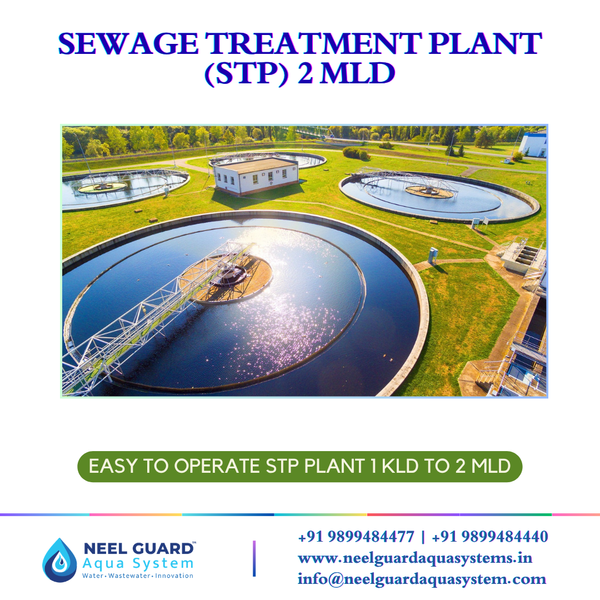
Sewage Treatment Plant at Neel Guard Aqua Systems Neel Guard Aqua Systems is a trusted name in the field of Sewage Treatment Plant (STP) solutions, offering advanced and efficient wastewater treatment systems designed to treat sewage and domestic wastewater in an environmentally responsible manner. Our sewage treatment plants are engineered to provide reliable treatment performance, reduced environmental impact, efficient operation, and high-quality treated water suitable for reuse in various non-potable applications. With increasing urbanization, industrial development, residential construction, hotels, hospitals, educational institutions, commercial complexes, and infrastructure projects, effective sewage management has become essential. Untreated sewage can create serious environmental and public-health concerns by contaminating water bodies, generating unpleasant odours, and increasing the pollution load. A properly designed Sewage Treatment Plant provides an effective solution by treating wastewater before its discharge or reuse. At Neel Guard Aqua Systems, we focus on developing STP systems according to project requirements, sewage characteristics, available space, treatment capacity, installation conditions, and intended treated-water application. What Is a Sewage Treatment Plant? A Sewage Treatment Plant (STP) is a wastewater treatment system designed to remove organic matter, suspended solids, impurities, and other pollutants from sewage generated by residential and commercial activities. The treatment process generally involves several stages, including preliminary treatment, biological treatment, clarification, filtration, and disinfection. Depending on the application and required treated-water quality, additional treatment technologies can also be incorporated. The primary objective of an STP is to convert untreated sewage into treated water and stabilized sludge, allowing the treated water to be safely discharged according to applicable requirements or reused for suitable non-potable purposes. Advanced Sewage Treatment Solutions by Neel Guard Aqua Systems At Neel Guard Aqua Systems, we understand that every project has different wastewater-treatment requirements. Our approach is therefore focused on providing customized STP solutions rather than relying on a single standard design. Our sewage treatment solutions can be developed for: Residential apartments and housing societies Commercial buildings Hotels and resorts Hospitals and healthcare facilities Schools and colleges Industrial establishments Offices and corporate buildings Shopping malls and commercial complexes Restaurants and food establishments Institutional campuses Construction and infrastructure projects Municipal and community applications Our systems are designed with emphasis on treatment efficiency, operational reliability, ease of maintenance, space utilization, and long-term performance. Sewage Treatment Plant Working Process A modern STP uses a combination of physical, biological, and chemical treatment processes to reduce contaminants from sewage. 1. Screening The incoming sewage first passes through a screening system. Screens remove larger floating materials such as plastics, cloth, paper, and other debris that could damage pumps or interfere with downstream treatment equipment. 2. Grit Removal The wastewater may then pass through a grit-removal stage where heavier inorganic particles such as sand and grit are separated. This helps protect pumps and other mechanical components. 3. Equalization An equalization tank can be used to balance variations in sewage flow and pollutant loading. It helps maintain a more consistent flow to the biological treatment section. 4. Biological Treatment The biological treatment stage is one of the most important parts of an STP. Beneficial microorganisms are used to break down biodegradable organic matter present in sewage. Depending on the project requirements, different biological treatment technologies can be considered, including MBBR, SBR, MBR, ASP, and other suitable biological processes. 5. Secondary Clarification After biological treatment, the wastewater is clarified to separate biological solids from the treated water. The separated sludge can be returned to the biological process or removed for further sludge management. 6. Filtration Additional filtration may be provided to reduce remaining suspended particles and improve the quality and appearance of the treated water. 7. Disinfection Disinfection is used to reduce harmful microorganisms in treated wastewater. Technologies such as chlorination or ultraviolet (UV) disinfection may be selected depending on the application and treatment objectives. 8. Treated Water Storage The final treated water can be collected in a treated-water tank. Subject to applicable requirements and water-quality suitability, it may be considered for applications such as toilet flushing, gardening, landscaping, or other approved non-potable uses. Types of Sewage Treatment Plants Neel Guard Aqua Systems can provide STP solutions using different treatment technologies depending on capacity, site conditions, wastewater characteristics, treated-water requirements, and operational preferences. MBBR Sewage Treatment Plant Moving Bed Biofilm Reactor (MBBR) technology uses specially designed media that provide a surface for microorganisms to grow. MBBR systems can offer a compact biological treatment configuration and are widely considered for residential and commercial wastewater applications. SBR Sewage Treatment Plant Sequencing Batch Reactor (SBR) technology carries out various treatment stages within a reactor in a controlled sequence. SBR systems can be suitable where consistent treatment performance and efficient process control are required. MBR Sewage Treatment Plant Membrane Bioreactor (MBR) combines biological treatment with membrane filtration. It can produce high-quality treated water and is particularly useful for projects where space is limited or higher treated-water quality is required. Conventional Activated Sludge Plant Activated sludge systems use microorganisms suspended in wastewater to biologically degrade organic pollutants. They remain a proven option for many wastewater-treatment applications. Key Benefits of a Sewage Treatment Plant Installing an efficient sewage treatment system provides several environmental and operational advantages. Environmental Protection Proper sewage treatment helps reduce the discharge of untreated wastewater into rivers, lakes, drains, soil, and other receiving environments. Water Reuse Treated wastewater can potentially be reused for appropriate non-potable applications, helping reduce dependence on freshwater resources. Reduced Pollution An appropriately designed STP reduces pollutants such as organic matter and suspended solids before treated water is discharged or reused. Better Hygiene Effective wastewater management contributes to improved sanitation and helps minimize conditions associated with untreated sewage. Efficient Space Utilization Modern treatment technologies can be configured to provide efficient treatment within relatively limited available space, depending on project requirements. Operational Reliability A properly engineered STP can provide dependable wastewater treatment when operated and maintained according to its design requirements. Customized Capacity STPs can be designed around the expected sewage generation and project requirements rather than using the same configuration for every site. Sewage Treatment Plant for Residential Buildings Residential complexes and housing societies generate significant quantities of domestic wastewater every day. Installing an STP enables these communities to manage wastewater responsibly. Neel Guard Aqua Systems can provide residential STP solutions for apartment complexes, housing societies, gated communities, and residential developments. Depending on project requirements, treated water may be considered for gardening, landscaping, toilet flushing, and other suitable non-potable applications. Sewage Treatment Plant for Hotels and Resorts Hotels and resorts require dependable wastewater-treatment systems because sewage generation can fluctuate according to occupancy, events, restaurants, and other facilities. Our STP solutions can be designed to accommodate project-specific flow variations while focusing on efficient treatment, operational convenience, and treated-water reuse opportunities. Sewage Treatment Plant for Hospitals Hospitals generate wastewater containing a variety of contaminants and require carefully planned wastewater management. Treatment requirements depend on the nature and source of wastewater, applicable regulations, and site-specific conditions. Neel Guard Aqua Systems can develop wastewater-treatment solutions based on the characteristics and treatment requirements of the facility. Sewage Treatment Plant for Commercial Buildings Shopping centres, offices, corporate parks, restaurants, educational facilities, and other commercial establishments generate domestic wastewater that requires appropriate treatment. A professionally designed STP can help commercial properties manage sewage efficiently while creating opportunities for treated-water reuse where permitted. Why Choose Neel Guard Aqua Systems? Choosing the right STP manufacturer and wastewater-treatment partner is important for achieving dependable long-term performance. Neel Guard Aqua Systems focuses on: Customized sewage treatment solutions Application-specific system design Modern wastewater treatment technologies Quality-focused equipment selection Efficient plant configuration Space-conscious designs Reliable treatment processes Easy-to-manage system configurations Project-specific technical support Installation and commissioning assistance Operation and maintenance support as applicable Our objective is to provide wastewater-treatment systems that combine engineering efficiency, practical operation, environmental responsibility, and long-term value. Sewage Treatment Plant Installation Successful STP installation requires proper planning of civil structures, tanks, pumps, pipelines, electrical systems, aeration equipment, filtration units, control systems, and other components. The installation process may include: Site assessment Sewage-flow evaluation Treatment-process selection Plant design and engineering Equipment manufacturing/procurement Installation and integration Electrical and piping connections Testing and commissioning Operator guidance Operation and maintenance support The actual configuration depends on the capacity, technology, site conditions, and project specifications. STP Operation and Maintenance Regular operation and maintenance are essential for maintaining consistent treatment performance. Activities can include checking pumps and blowers, monitoring aeration, managing sludge, cleaning filters, inspecting pipelines, maintaining electrical equipment, and monitoring treated-water quality. At Neel Guard Aqua Systems, we can assist customers with appropriate operational guidance and maintenance requirements based on the installed system. Sustainable Wastewater Management Water conservation and wastewater recycling are increasingly important for sustainable infrastructure. Instead of viewing sewage only as waste, properly treated wastewater can become a valuable resource for suitable applications. A well-designed STP can support water-management strategies by enabling the reuse of treated wastewater for applications such as: Gardening Landscape irrigation Toilet flushing Road or floor washing where appropriate Other approved non-potable uses Reuse should always be based on the actual treated-water quality and applicable local requirements. Sewage Treatment Plant Manufacturer and Supplier Neel Guard Aqua Systems aims to serve customers looking for dependable Sewage Treatment Plant manufacturers and suppliers with solutions tailored to their specific wastewater-treatment requirements. Whether the requirement is for a residential society, commercial building, hotel, hospital, institution, industrial campus, or infrastructure project, our team can help evaluate the treatment requirement and recommend an appropriate STP configuration. Conclusion A reliable Sewage Treatment Plant is an important component of modern wastewater management. By effectively treating domestic sewage before discharge or suitable reuse, an STP can help organizations improve sanitation, reduce pollution, conserve water, and support environmentally responsible development. Neel Guard Aqua Systems provides customized sewage-treatment solutions designed around project capacity, wastewater characteristics, available space, treatment objectives, and operational requirements. With a focus on modern treatment technologies, efficient system design, and dependable wastewater management, we strive to deliver practical STP solutions for a wide range of applications. SEO Keywords Sewage Treatment Plant, STP Plant, Sewage Treatment Plant Manufacturer, Sewage Treatment Plant Supplier, Sewage Treatment Plant in India, Sewage Treatment Plant Manufacturer in India, Industrial Sewage Treatment Plant, Residential STP Plant, Commercial Sewage Treatment Plant, MBBR Sewage Treatment Plant, SBR Sewage Treatment Plant, MBR Sewage Treatment Plant, Wastewater Treatment Plant, Sewage Water Treatment Plant, STP Manufacturer, STP Supplier, Effluent and Sewage Treatment Solutions, Neel Guard Aqua Systems.