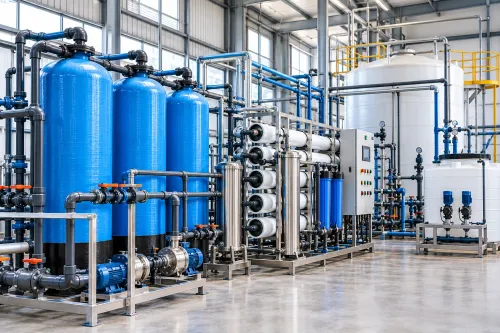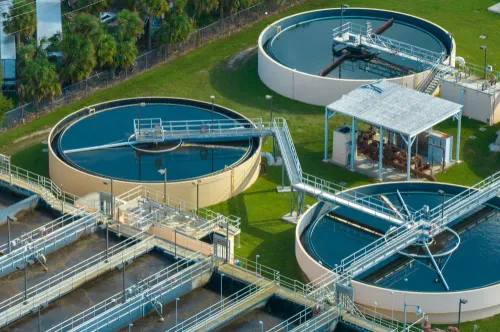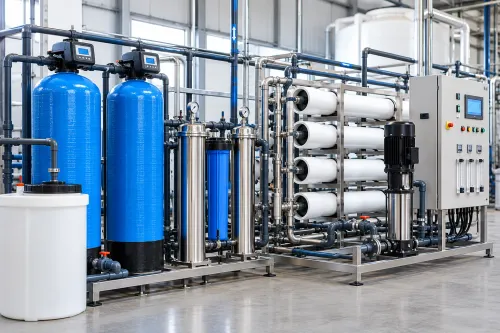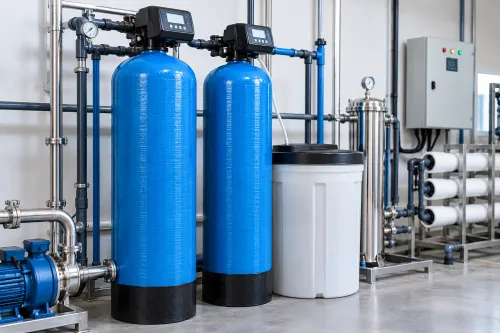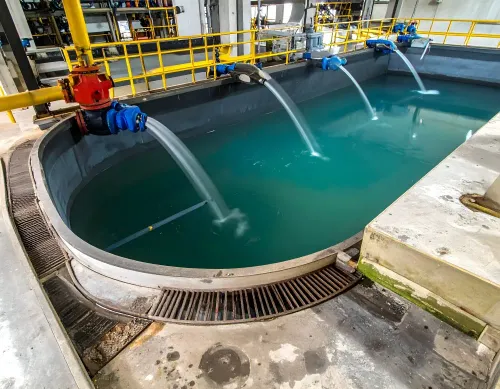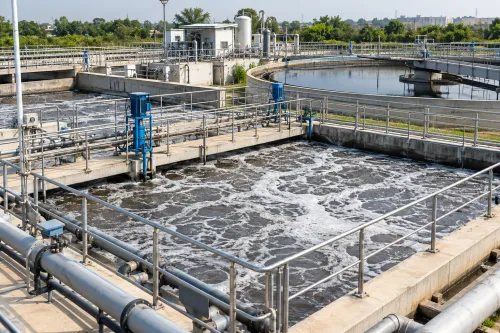
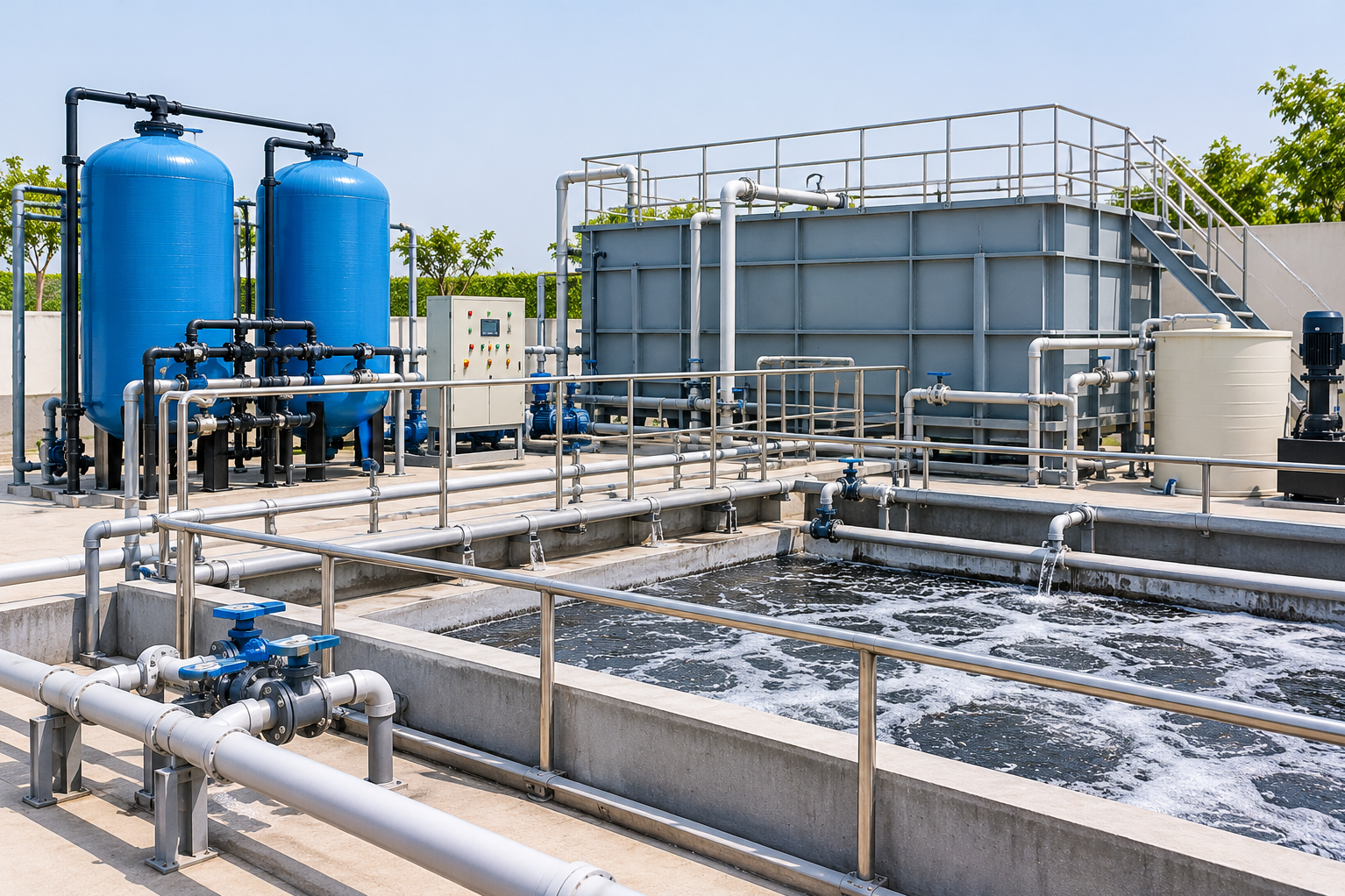
Selecting an STP Plant for a residential society, commercial complex, institution, hotel, or real estate development requires careful coordination between water planning, occupancy estimates, civil layout, treatment technology, plus reuse requirements.
In Delhi, where large properties can generate substantial sewage volumes, an incorrectly sized treatment system may create recurring problems involving odour, overflow, energy consumption, treated-water quality, plus maintenance.
Calculate Sewage Generation Realistically
The first step is estimating how much sewage the property will actually generate.
Design teams should consider:
- Expected occupancy
- Building use
- Water-consumption assumptions
- Peak occupancy
- Daily operating pattern
- Future expansion
- Seasonal variation where relevant
A commercial building may have concentrated daytime sewage generation, while residential societies usually have different morning plus evening peaks.
The treatment plant should account for these patterns.
Match Technology to the Project
Several sewage-treatment technologies are available.
The appropriate choice depends on space, desired treated-water quality, operating skill, power availability, sludge management, plus capital constraints.
Compact technology can be useful where space is limited, but equipment complexity plus maintenance requirements should still be evaluated.
A project should not select a technology simply because it is popular in another building.
Plan Treated-Water Reuse Early
Treated sewage can potentially support non-potable applications where suitable plus permitted.
Common planned uses include landscaping, flushing, plus selected utility requirements.
Reuse planning affects tertiary treatment, disinfection, storage, pumping, plus the building's plumbing network.
It is much easier to integrate these requirements during design than after construction.
Give Maintenance Teams Enough Space
STPs are frequently pushed into restricted utility areas.
This can make pump removal, tank cleaning, blower servicing, sludge handling, plus filter maintenance difficult.
Project teams should review equipment access before freezing the layout.
Safe walkways, ventilation, drainage, lifting access where needed, plus adequate working clearance can improve long-term maintainability.
Evaluate Odour Control
Poor odour management can create complaints in residential or commercial properties.
Odour risk can be influenced by sewage stagnation, insufficient aeration, poor sludge handling, overloaded tanks, plus inadequate ventilation.
Locating treatment units thoughtfully plus maintaining proper process conditions can reduce these problems.
Review Lifecycle Costs
Initial equipment cost is only one part of STP economics.
Developers should consider:
- Power consumption
- Operator requirements
- Chemical use
- Sludge handling
- Consumables
- Spare parts
- Preventive maintenance
- Equipment replacement cycles
A plant that is inexpensive to install but difficult to operate can create higher facility-management costs over time.
Choose a Provider Based on Technical Readiness
A capable provider should ask for project-specific information before proposing equipment.
NEEL GUARD AQUA SYSTEMS works with sewage-treatment requirements for residential, commercial, institutional, plus industrial projects in Delhi.
Before finalizing an STP Plant, developers should expect discussion about occupancy, sewage characteristics, capacity, reuse, available area, automation, operating costs, plus maintenance access.
A proposal based on these details is more useful than one based solely on a standard capacity chart.
The goal is not simply to install treatment equipment before project completion. It is to create a sewage-treatment system that facility teams can operate consistently throughout the life of the property.
Keywords