Choosing a Water Treatment Plant manufacturer can influence treatment performance, operating cost, maintenance workload, plus the ability of a facility to meet its required water quality consistently.
Industrial buyers in Delhi often receive quotations that appear similar because they list the same basic capacity. The differences become clearer only when feed-water analysis, process design, component selection, automation, commissioning, plus after-installation support are examined in detail.
Look for Analysis Before Recommendation
A manufacturer should first understand the water source plus required treated-water quality.
Expect questions about:
- Raw-water test results
- Daily consumption
- Peak flow
- Final water application
- Operating hours
- Available space
- Existing treatment equipment
- Storage capacity
- Future expansion
If a detailed system is recommended before these factors are discussed, buyers should ask what design assumptions were used.
Review Process Design
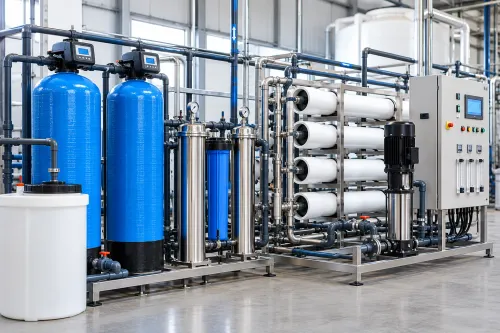
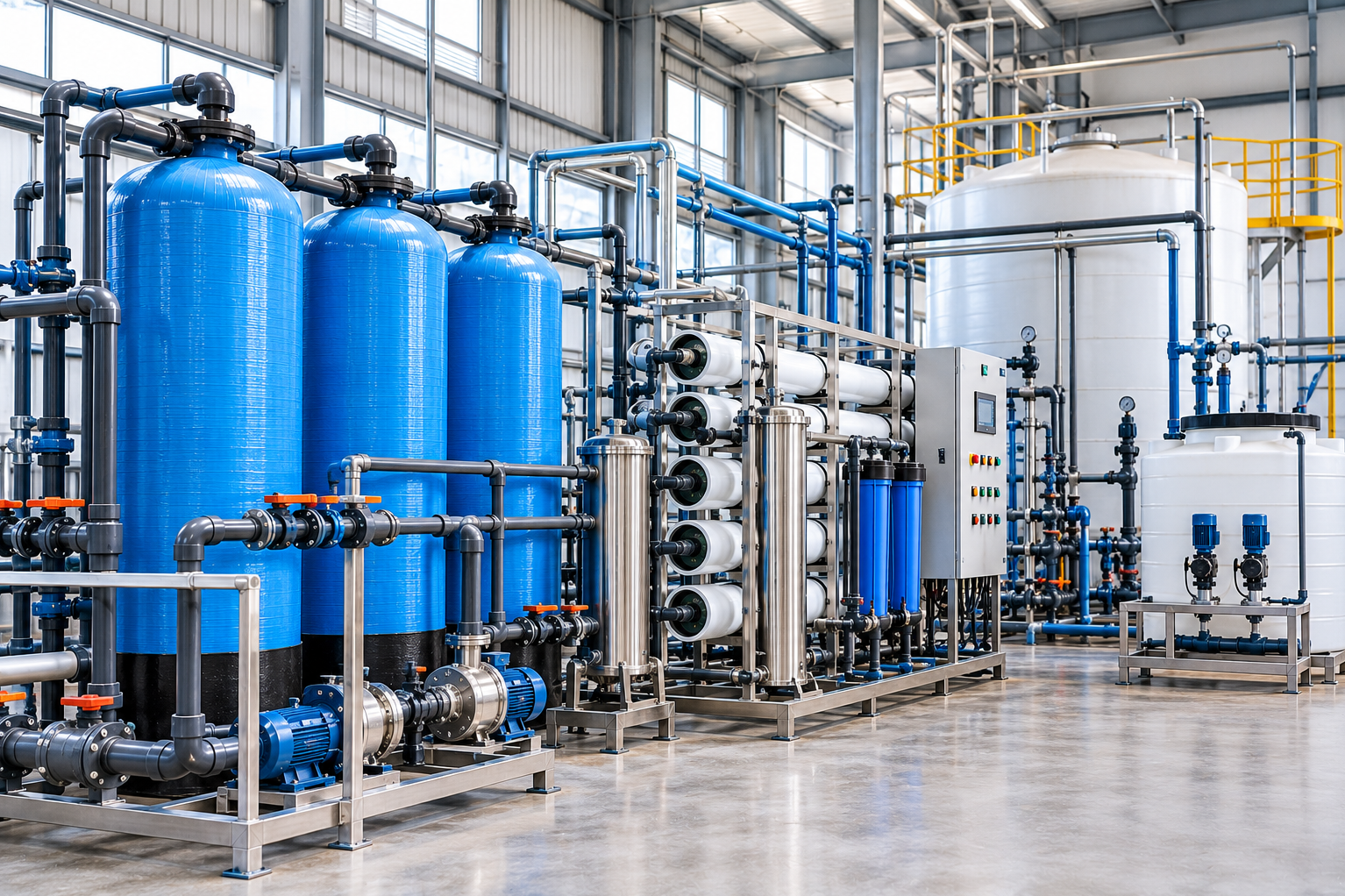
A Water Treatment Plant may include filtration, softening, reverse osmosis, demineralization, disinfection, plus other processes.
Every treatment stage should have a clear technical purpose.
Buyers should be able to understand what each stage removes, why it is necessary, plus how it contributes to the required output quality.
This is particularly important for pharmaceutical, chemical, food-processing, textile, engineering, plus other industrial applications where process-water specifications can differ significantly.
Compare Technical Specifications Properly
Do not compare quotations based solely on total price.
Create a technical comparison covering:
- Treatment capacity
- Feed-water assumptions
- Expected output quality
- Recovery
- Pump specifications
- Membrane specifications where applicable
- Vessel materials
- Piping materials
- Instrumentation
- Automation
- Electrical load
- Chemical consumption
- Consumables
- Maintenance requirements
Once the technical scope is aligned, commercial comparison becomes more meaningful.
Evaluate Operating Practicality
A sophisticated treatment plant is useful only if the facility can operate it consistently.
Ask how frequently filters require servicing, membranes need cleaning, resins require regeneration, chemicals need replenishment, plus instruments require calibration.
The manufacturer should also consider whether the customer's operating team can realistically manage the proposed level of automation plus maintenance.
Review Installation Readiness
Industrial projects require coordination between equipment supply plus site infrastructure.
Confirm who is responsible for civil foundations, tanks, electrical connections, interconnecting pipelines, drainage, raw-water supply, treated-water storage, plus commissioning support.
Clear responsibility reduces delays plus disputes during project execution.
Consider Future Expansion
Manufacturing capacity can change.
If the facility expects production growth, discuss whether the proposed system can accommodate expansion or whether additional modules can be integrated later.
Planning this early can protect utility-space availability plus reduce future modification work.
Assess Technical Support
Commissioning is not the end of a water-treatment project.
Operators may need assistance with troubleshooting, performance optimization, consumables, preventive maintenance, plus changes in raw-water conditions.
NEEL GUARD AQUA SYSTEMS provides water plus wastewater treatment solutions for industrial, commercial, residential, institutional, plus infrastructure-related requirements in Delhi.
When selecting a Water Treatment Plant manufacturer, buyers should prioritize technical clarity.
A reliable proposal should explain the water problem, required output, treatment sequence, design assumptions, operating requirements, equipment specifications, maintenance needs, plus site responsibilities.
The strongest purchasing decision is therefore based on more than price or stated plant capacity. It comes from choosing a treatment approach that matches actual water chemistry, process demand, operating conditions, plus long-term facility requirements.
Keywords