
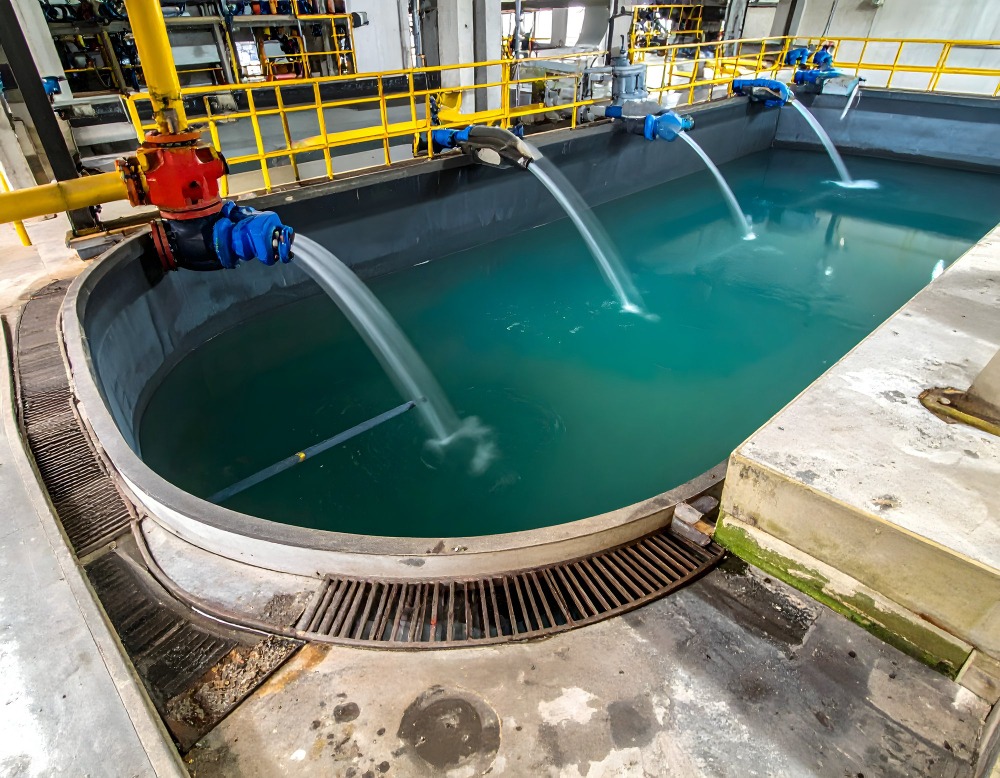
An Effluent Treatment Plant is a long-term operational system, not simply a collection of tanks plus pumps. Before approving a proposal, industrial buyers should verify whether the proposed treatment process actually reflects their wastewater characteristics, production schedule, discharge requirements, available space, plus operating capabilities.
This is especially important for manufacturing units in Delhi NCR, where pharmaceutical, chemical, textile, food-processing, plus engineering operations can generate very different effluent streams.
Verify the Wastewater Analysis
A treatment proposal should be based on representative wastewater data.
Important parameters can include:
- pH
- COD
- BOD
- TSS
- TDS
- Oil plus grease
- Colour
- Specific process chemicals
- Heavy metals where relevant
- Daily flow
- Peak flow
The parameters required will vary by industry.
A single sample may not represent batch-based manufacturing. Where wastewater characteristics change significantly during production, multiple samples or composite sampling may provide more useful design information.
Confirm Actual Hydraulic Capacity
Ask how the proposed capacity was calculated.
The design should account for average flow, peak discharge, production shifts, cleaning cycles, future production increases, plus equalization requirements.
An oversized system can create unnecessary capital cost. An undersized plant may struggle during peak production.
Review Every Treatment Stage
Buyers should understand why each proposed unit operation is included.
If chemical treatment is specified, what contaminants is it intended to remove?
If biological treatment is proposed, is the wastewater sufficiently biodegradable?
If advanced filtration is included, what final quality is expected?
A technically sound proposal should connect each treatment stage to a specific wastewater problem.
Examine Sludge Management
Ask how much sludge the process is expected to produce plus how it will be handled.
The proposal should consider sludge collection, thickening, dewatering, temporary storage, plus appropriate management based on sludge characteristics.
Ignoring sludge during procurement often leads to operational difficulties later.
Check Equipment Accessibility
Maintenance requirements are easier to manage when equipment is accessible.
Operators should have practical access to pumps, blowers, filters, valves, dosing equipment, electrical panels, plus instrumentation.
Tank cleaning, media replacement, membrane servicing where applicable, plus sludge removal should also be considered during layout planning.
Review Automation Carefully
Automation can reduce manual intervention, but it should match the site's operating needs.
Useful instrumentation may include flow measurement, level control, pH monitoring, pressure gauges, conductivity measurement, plus automatic dosing controls where appropriate.
The objective should be meaningful process control rather than adding unnecessary instrumentation.
Ask About Operating Requirements
Before finalizing an Effluent Treatment Plant, request estimates for:
- Electrical load
- Chemical consumption
- Operator requirements
- Routine consumables
- Sludge generation
- Maintenance frequency
- Expected treatment recovery
- Cleaning requirements
These figures provide a more realistic picture of lifecycle cost.
NEEL GUARD AQUA SYSTEMS works with industrial wastewater-treatment projects where equipment selection is based on wastewater characteristics plus site-specific requirements.
For project managers in Delhi, a thorough pre-purchase review can prevent costly modifications after installation.
The strongest proposal is not necessarily the one with the longest equipment list. It is the one that clearly explains the wastewater problem, proposed treatment sequence, design capacity, operating requirements, expected output quality, plus maintenance needs.
Using this checklist before procurement gives buyers a stronger technical basis for comparing competing treatment proposals.