
Large industrial facilities can generate significant quantities of wastewater every day. Managing this discharge requires more than simply collecting wastewater in a holding tank. The treatment system must be designed around wastewater characteristics, daily flow, operating hours, discharge requirements, available space, and the possibility of treated-water reuse.
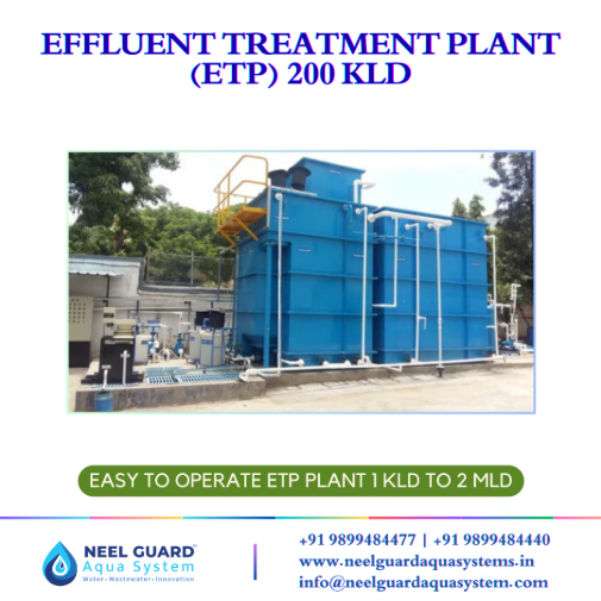
An Effluent Treatment Plant 200 KLD is suitable for facilities requiring treatment capacity of approximately 200 kilolitres per day. In Delhi, such systems can support manufacturing plants, processing facilities, institutional complexes, industrial units, and other establishments producing substantial wastewater volumes.
Neel Guard Aqua System manufactures industrial water and wastewater treatment systems for different capacity requirements. Selecting the appropriate ETP starts with understanding what is present in the wastewater rather than choosing equipment based only on daily volume.
What Does a 200 KLD ETP Do
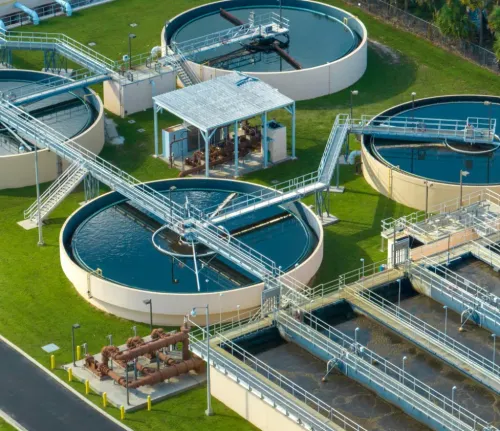
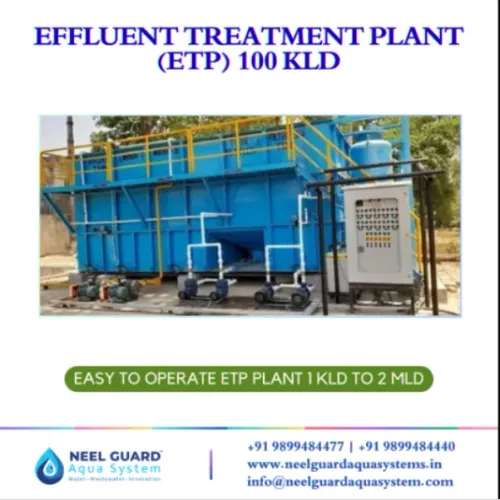
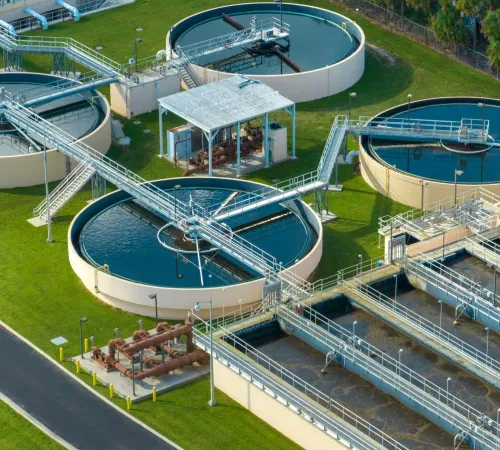
An effluent treatment plant uses a combination of physical, chemical, and biological processes according to the characteristics of the incoming wastewater.
A typical treatment sequence may include:
- Screening of larger suspended materials
- Equalisation of wastewater flow
- pH adjustment where required
- Chemical treatment and clarification
- Biological treatment for biodegradable pollutants
- Filtration and polishing
- Sludge collection and handling
- Treated-water storage
Not every industrial application requires exactly the same treatment stages. Wastewater from food processing, engineering, chemicals, textiles, commercial operations, and other industries can differ considerably.
Why Wastewater Testing Comes First
Plant capacity alone does not determine treatment performance. Before finalising a 200 KLD ETP, representative wastewater samples should be assessed for parameters relevant to the application.
Common considerations include pH, total suspended solids, chemical oxygen demand, biological oxygen demand, oil and grease, total dissolved solids, and industry-specific contaminants.
These findings help determine the appropriate process configuration and equipment requirements.
Planning a 200 KLD ETP in Delhi
Delhi industrial sites can have different space, infrastructure, wastewater, and operational constraints. A proper assessment should therefore consider:
- Average and peak wastewater generation
- Hours of plant operation
- Influent wastewater characteristics
- Required treated-water quality
- Space available for equipment
- Sludge management requirements
- Potential treated-water reuse
- Future production expansion
Oversizing a system without analysing actual requirements can increase capital and operating costs. Undersizing creates a different problem, as the plant may struggle when wastewater generation reaches peak levels.
Opportunities for Treated-Water Reuse
Depending on wastewater quality, treatment configuration, and intended application, treated water may be considered for suitable non-potable uses after achieving the required quality.
Potential applications can include gardening, floor washing, utility requirements, cooling-related uses, and other approved industrial purposes. Additional treatment may be necessary depending on the intended reuse.
For businesses evaluating an Effluent Treatment Plant 200 KLD in Delhi, Neel Guard Aqua System can support capacity assessment and system selection based on wastewater characteristics, site conditions, and operational requirements.