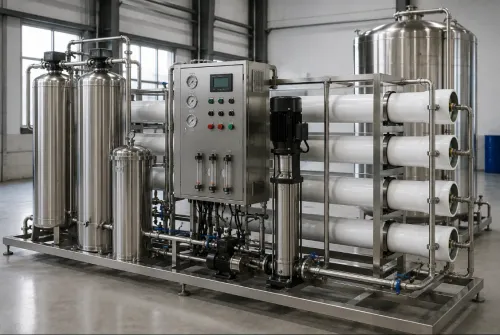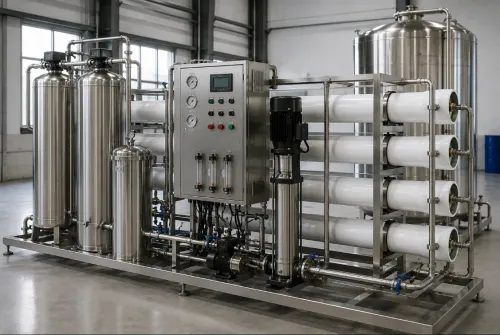
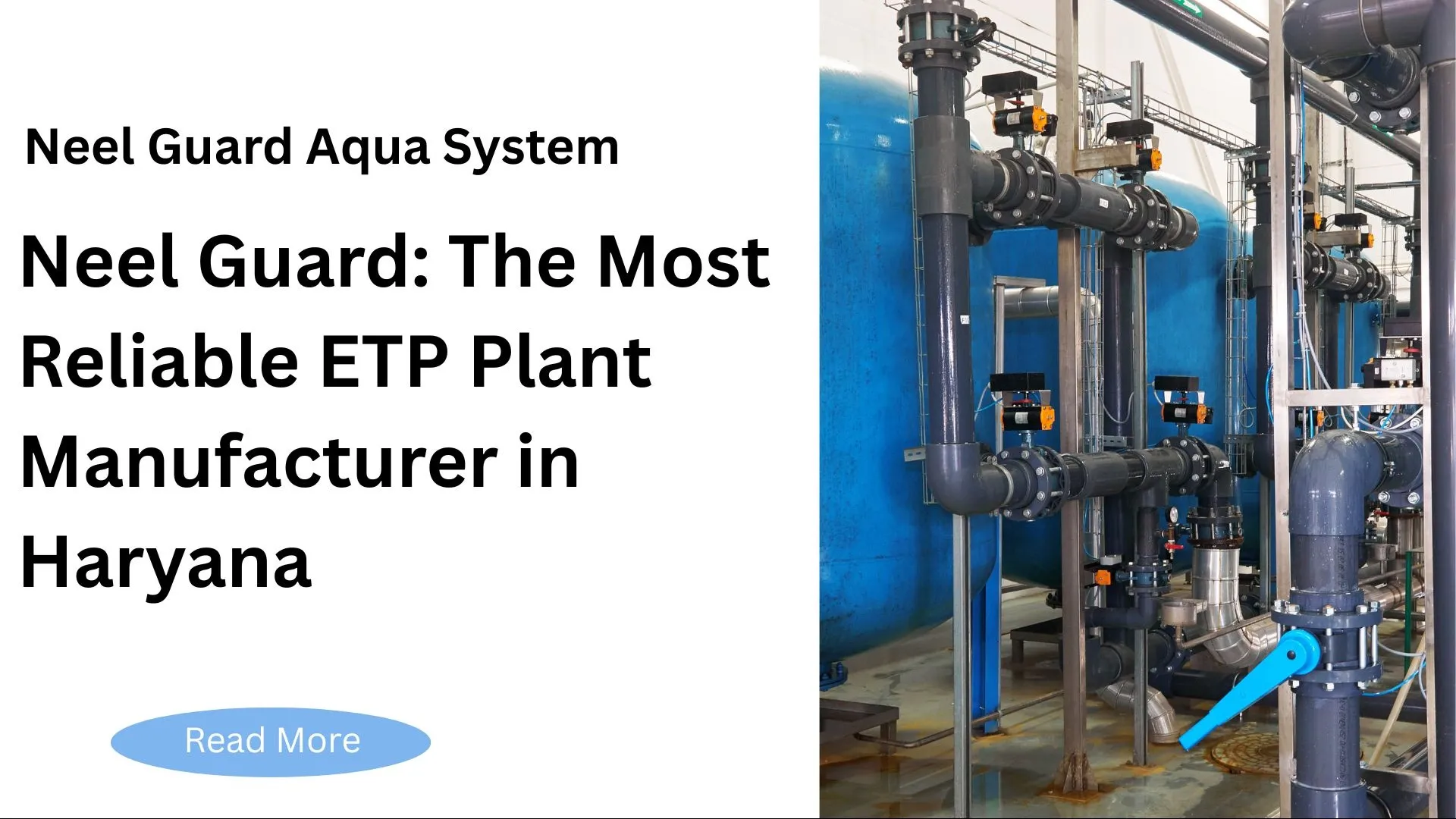
Neelgaurd Aqua combines IoT sensing, predictive modeling, and SCADA control to automate Effluent Treatment Plants (ETP). By replacing manual sampling and fixed-rate operations with AI, our systems eliminate chemical over-dosing, lower energy consumption, and ensure 24/7 compliance.
Technical Features of Neelgaurd Aqua Smart ETPsReal-Time Multi-Parameter Monitoring: In-line optical sensors measure pH, TSS, COD, BOD, and Dissolved Oxygen (DO) at inlet, aeration, and discharge points every second. Autonomous Chemical Dosing: Machine learning algorithms evaluate influent variability to calculate dynamic chemical dosages, reducing coagulant and flocculant waste by up to 30%.Predictive Aeration Management: Neural networks control blower VFDs to match actual biological oxygen demand, cutting electrical energy costs by 20%–25%.Digital Twin & Shock-Load Protection: Real-time digital twin models simulate water treatment flows to detect toxic spikes early, automatically diverting hazardous loads to equalization buffer tanks. Predictive Asset Maintenance: Vibration and pressure telemetry monitor pump health and membrane fouling to schedule service before failure occurs. Operating Comparison Operational Feature Legacy ETP Solutions Neelgaurd Aqua AI-ETP Control System Manual sampling & fixed-speed drives Closed-loop PLC/SCADA guided by AIChemical Usage Static dosing based on manual jar tests Algorithmic, load-matched dynamic dosing Blower Efficiency Constant high-speed operation VFD adjusted in real time based on DO demand Compliance Risk High risk from unexpected shock loads Automated early diversion and logging Maintenance Reactive repairs following equipment breakdown Predictive alerts based on IoT sensor data System Integration & Execution Workflow1.Continuous Parameter Sensing: Primary & equalization tanks.
Submerged sensors measure incoming stream pH, conductivity, temperature, and turbidity. Edge gateways process telemetry and stream data to the central engine.
2.Algorithmic Load Prediction: AI Machine Learning Core. Predictive models evaluate incoming flow rates and contamination levels to calculate exact stoichiometric requirements for biological and chemical treatment.
3.Automated Closed-Loop Control: SCADA & PLC Layer. Commands adjust dosing pump speeds, adjust aeration blower output, and regulate return activated sludge (RAS) rates without requiring manual operator input.4.Compliance Logging & Verification: Final Discharge Standard. Sensors verify output water quality against local environmental discharge standards and write time-stamped compliance logs directly to cloud storage. Financial Impact & ROIOPEX Reduction: Lower chemical and electricity consumption yields payback within 12 to 18 months. Zero Penalty Assurance: Continuous automated compliance tracking protects facilities from discharge fines and shutdowns. Extended Asset Life: Smart drive modulation lowers mechanical wear on blowers, pumps, and reverse osmosis membranes.
Keywords