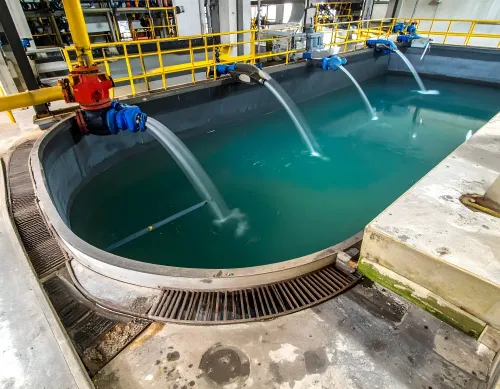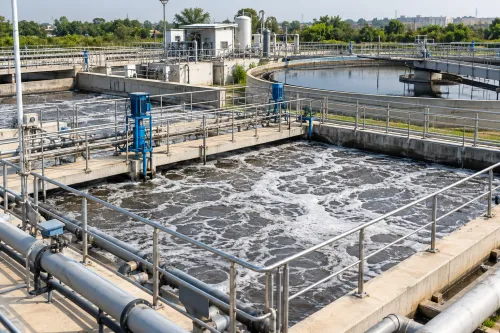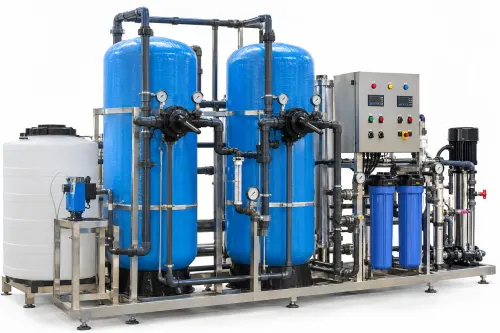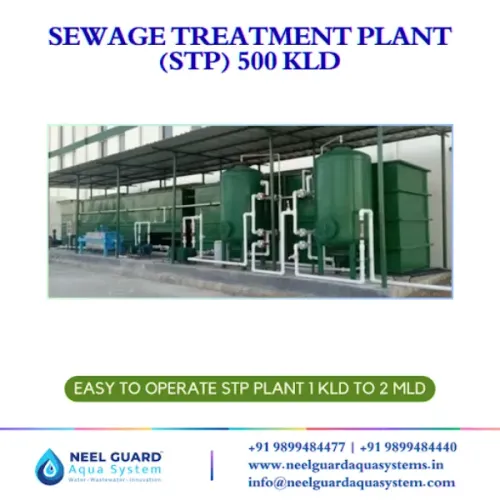
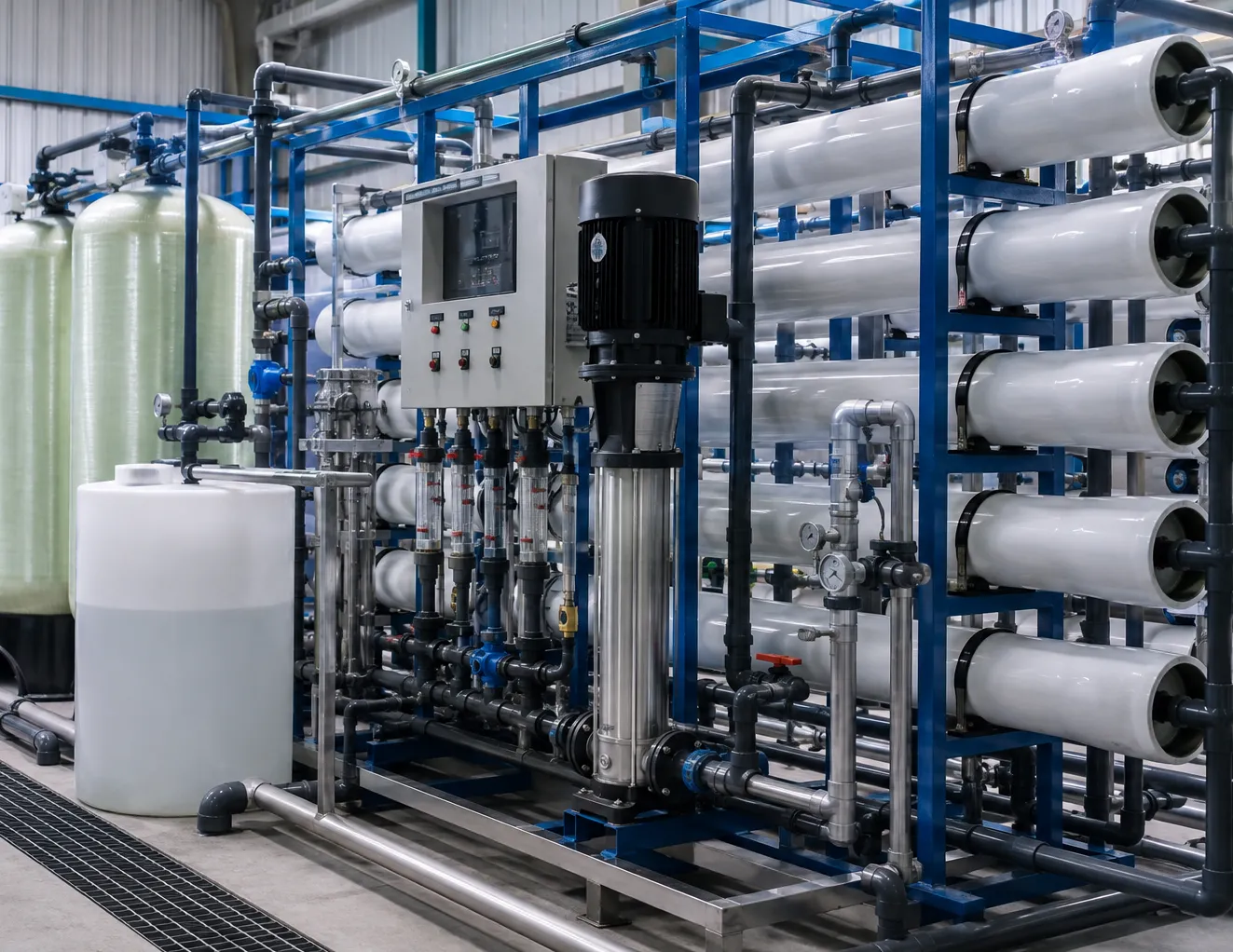
Water quality directly affects manufacturing efficiency, equipment life, product consistency, utility costs, and regulatory compliance. A properly designed Water Treatment Plant helps remove unwanted physical, chemical, and biological contaminants so that incoming water can meet the requirements of a specific industrial or commercial application.
Across Delhi and the wider NCR region, industries often deal with varying raw-water quality. Borewell water may contain excessive hardness or dissolved minerals, while municipal or alternative sources may require additional filtration before process use. This makes water analysis one of the most important starting points when planning a treatment system.
What Does a Water Treatment Plant Do?
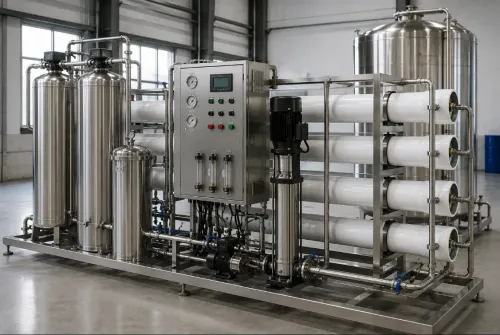
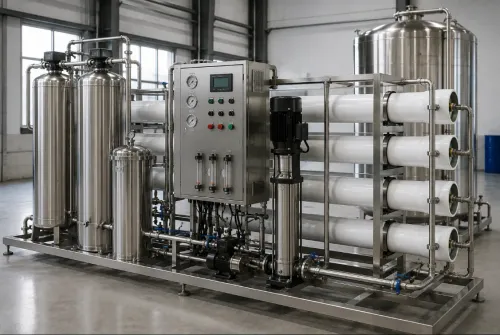
A water treatment plant uses multiple treatment stages based on the characteristics of the source water plus the required output quality. There is no single treatment sequence suitable for every facility.
Common processes can include:
- Raw water storage
- Pressure sand filtration
- Activated carbon filtration
- Water softening
- Micron filtration
- Reverse osmosis
- Demineralization
- Disinfection
- Treated water storage
The exact combination depends on laboratory test results, operating capacity, water consumption patterns, space availability, plus the intended use of treated water.
For example, water used for cooling towers may require a different quality standard from water used in pharmaceutical processing or boiler feed applications.
Why Raw-Water Testing Matters
Selecting equipment without first understanding the feed water can lead to poor treatment performance. A detailed water analysis may examine parameters such as pH, hardness, total dissolved solids, turbidity, iron, chlorides, alkalinity, silica, plus microbiological contamination where relevant.
These values help engineers determine which treatment processes are necessary.
High hardness may indicate the need for softening. Elevated TDS could make reverse osmosis appropriate. Boiler applications may require additional demineralization depending on operating pressure plus process specifications.
The treatment plant should therefore be designed around actual water conditions rather than a generic equipment package.
Capacity Is More Than a Simple Flow Number
Plant capacity is commonly expressed in litres per hour, cubic metres per hour, or daily treatment volume. However, choosing capacity based only on average consumption can create operational problems.
Facilities should consider:
- Peak water demand
- Number of operating shifts
- Daily production requirements
- Storage capacity
- Future expansion
- Seasonal changes in water quality
- Treatment recovery rate
- Cleaning plus maintenance downtime
A plant that appears adequate on paper may become undersized when production increases or peak demand occurs.
Treatment Quality Affects Equipment Performance
Untreated or poorly treated water can contribute to scaling, corrosion, fouling, clogged pipelines, membrane deterioration, plus reduced heat-transfer efficiency.
These problems may increase cleaning frequency, energy consumption, chemical use, and maintenance requirements.
For industrial facilities in Delhi, where water conditions can differ considerably between sources, designing treatment around actual process requirements can help protect boilers, cooling systems, production equipment, membranes, plus downstream utilities.
Monitoring Keeps Treatment Consistent
Installing a treatment plant is only the beginning. Operators should regularly monitor critical parameters to identify changes before they become operational problems.
Depending on the system, monitoring may include pressure, flow, conductivity, TDS, hardness, pH, chemical dosing levels, plus filter pressure differential.
NEEL GUARD AQUA SYSTEMS works with industrial, commercial, residential, plus institutional projects requiring water treatment solutions based on site-specific requirements.
A reliable Water Treatment Plant ultimately begins with three questions: What is present in the incoming water? What quality is required after treatment? How much treated water does the facility actually need?
Answering these questions accurately provides a much stronger foundation for selecting suitable treatment technology.
Keywords