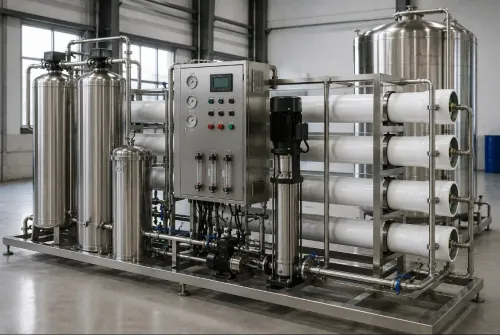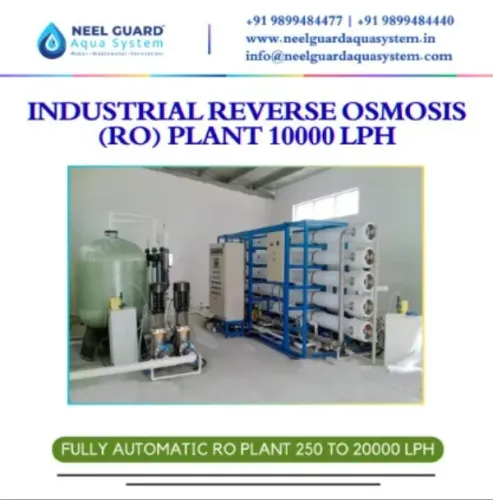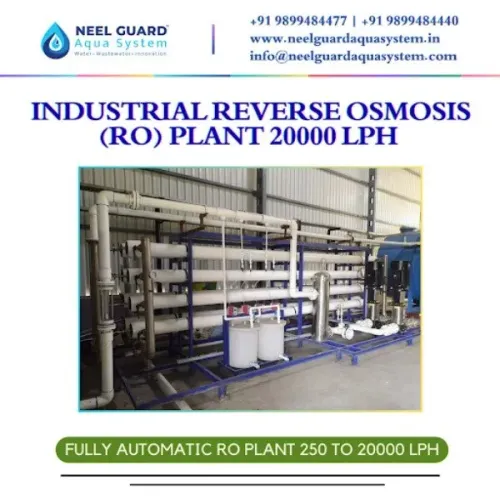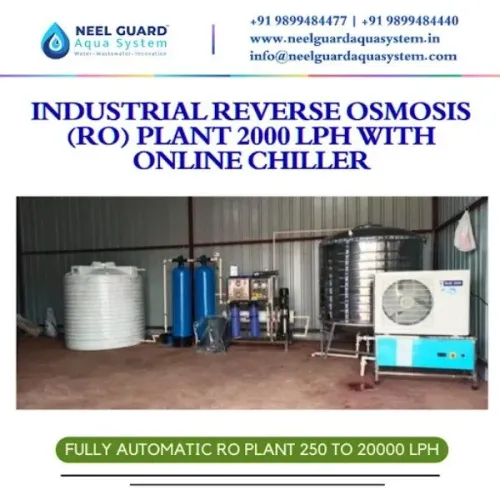
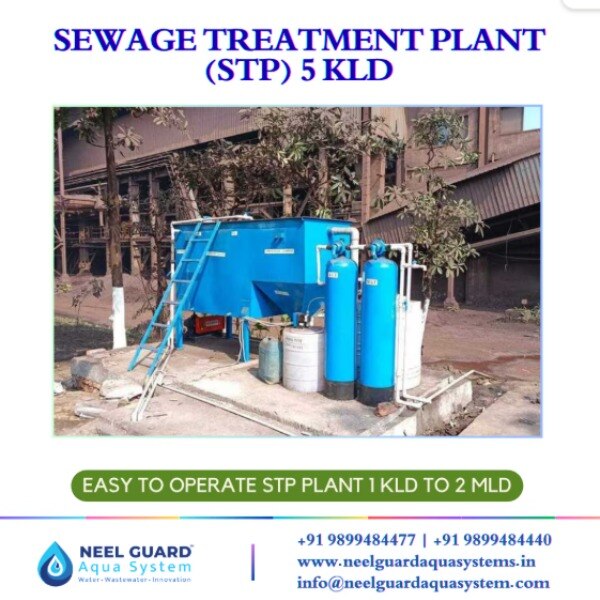
A 5 KLD plant is rated for a daily flow, but that figure alone cannot tell you whether it suits a building, school, office or small commercial site. You need to calculate wastewater generation, check short-duration peaks, identify the wastewater composition and define the treated-water quality required for reuse or discharge.
Key takeaways
- Calculate capacity from occupants and actual sewage flow, not a fixed occupant count.
- Exclude oils, solvents, chemicals, and stormwater from domestic sewage treatment.
- Choose biological treatment that handles your site’s daily flow variation.
- Specify treated-water limits and reuse applications before ordering the plant.
How do you calculate whether 5 KLD is enough?
A 5 KLD sewage treatment plant has a nominal capacity of 5,000 litres per day, not a fixed occupant count. For 5 KLD STP sizing, start with the regular occupant count and multiply it by the site’s actual sewage contribution in litres per person per day.
| Site type | Starting calculation | What to add |
|---|---|---|
| Domestic residence | Occupants × 80–100 litres per person per day | Visitors, laundry, kitchen and cleaning |
| Office or school | Occupants × measured site allowance | Attendance peaks, toilets, canteen and housekeeping |
| Lodge or restaurant | Occupancy and operating hours × measured use | Guests, kitchen wastewater and laundry |
Exclude irrigation and rainwater unless faulty drainage sends them into the STP. A staff residence with 30 occupants using 90 litres each produces 2,700 litres per day. Add 300 litres for visitors, 500 litres for kitchen wastewater, 400 litres for laundry and 200 litres for cleaning: the average becomes 4,100 litres per day.
A 25% peak allowance raises the design check to 5,125 litres, so the 5 KLD sewage treatment plant capacity is already tight. Measure actual flows before selecting it.
The rating averages about 208 litres per hour across 24 hours; it does not accept a 5,000-litre surge. Check peak hourly flow, inlet-pump capacity, equalisation volume and timed feeding. A screen, collection sump and equalisation tank smooth surges but do not increase biological or daily capacity.
What wastewater can enter a domestic sewage treatment plant?
Domestic sewage includes toilet discharge, bathroom water, hand-washing water, laundry wastewater and ordinary kitchen wastewater from homes, offices, schools, lodges and similar premises.
Kitchen lines need a grease trap before the STP. Fats, oils and grease foul pumps, reduce oxygen transfer, form scum and create odour; remove food scraps and floating solids at the source.
| Wastewater source | Entry decision | Required control |
|---|---|---|
| Toilets, bathrooms and hand-washing | Suitable | Screen solids at the inlet |
| Kitchen wastewater | Suitable after pretreatment | Install a kitchen wastewater grease trap |
| Laundry wastewater | Review before connection | Check surfactants, bleach, builders and temperature |
| Workshop or manufacturing drains | Do not connect | Use an ETP or separate pretreatment train |
| Septic-tank contents, oily wastewater or hospital laboratory discharge | Do not connect | Arrange dedicated treatment and disposal |
Do not use a domestic STP as a general drain for metal-finishing chemicals, solvents, paints, concentrated disinfectants, boiler chemicals, cooling-tower chemicals or process water. Industrial effluent versus sewage is a design boundary, not a label: concentrated food waste, septic contents and oily flows can overload biology below 5 KLD.
Check influent BOD, COD, suspended solids, ammonia, pH, oil and grease, salinity and temperature. If a restaurant, clinic, workshop or factory shares the line, collect representative samples first. Divert rainwater, roof drainage and groundwater infiltration; storm inflow can overload tanks, while sudden dilution destabilises biological treatment.
What happens inside a 5 KLD sewage treatment plant?
A 5 KLD plant’s STP treatment process moves screened sewage through flow control, biological treatment, solids separation and disinfection. The equipment arrangement matters because a clear outlet does not mean the plant has eliminated sludge.
1. An inlet screen or bar screen removes rags, plastics and large solids. The screened flow enters a collection sump, then a screening and equalisation tank stores uneven inflow caused by occupancy patterns.
2. Transfer pumps feed sewage to the biological stage at a controlled rate. In an MBBR, blowers supply air to microorganisms growing on plastic carrier media; other designs keep suspended biomass in an aeration tank.
3. A clarifier settles biological solids from treated water. An SBR performs aeration and settling in timed cycles inside one reactor, while an MBR uses membranes instead of conventional clarification.
4. Chlorination or ultraviolet treatment disinfects the liquid before it enters the treated-water tank. Chlorination needs controlled dosing and residual monitoring; ultraviolet treatment needs low suspended solids and adequate transmittance.
5. Recycle pumps return settled sludge to the biological stage, while excess sludge enters sludge handling for holding and dewatering. Accumulation reduces tank volume and causes solids washout.
Specify blower duty, standby pumps, media-retention screens, level sensors, air diffusers, sludge pumps, chemical dosing and treated-water storage. Ask how the plant responds to no-flow periods, power failure, high inflow and a blocked screen.
Which treatment process suits a small, variable-flow site?
MBBR is a common choice for variable flow wastewater because attached biomass stays on carrier media during short flow fluctuations. It still needs continuous or controlled aeration, media-retention screens, clarification and sludge removal. Blowers consume electricity and create noise.
| Process | Main advantage | Main limitation |
|---|---|---|
| MBBR | Compact reactor that tolerates short flow changes | Needs aeration, clarification and solids management |
| SBR | Biological treatment and clarification in one tank | Relies on programmable controls, level sensors, valves and blower sequencing |
| MBR sewage treatment plant | Low-solids effluent for demanding reuse | Membrane fouling adds air-scouring, cleaning chemicals, monitoring and replacement costs |
| Packaged septic tank | Lower operating complexity | Less control over BOD, suspended solids, ammonia and disinfected reuse water |
MBBR versus SBR depends on the site’s footprint and automation reliability. An SBR control failure can interrupt the batch sequence and discharge unsettled solids. An MBR is difficult to justify when treated water only supplies gardening unless the required outlet quality demands it.
A packaged septic tank or soakaway may fail where groundwater, limited land or discharge restrictions apply. Compare footprint, electrical load, blower noise, odour control, operator attendance, sludge production, spare parts and low-flow tolerance.
A school or weekend lodge needs a different schedule from an occupied apartment block. Equalisation, controlled aeration and automatic alarms prevent energy waste during no-flow periods and biological weakening during repeated starvation.
What treated-water quality and reuse application should you specify?
Specify the reuse target before choosing a 5 KLD plant: STP treated water quality, not nominal capacity, determines filtration and disinfection needs.
1. Put acceptance limits for pH, BOD, COD, TSS, ammonia and faecal coliform in the purchase documents. Add turbidity and residual chlorine when water will be stored or reused. For every result, identify the sampling point, test method, operating conditions and commissioning period.
2. Test after biological stabilisation using influent and treated-effluent samples. A nameplate rating does not prove outlet quality. Define discharge limits according to the receiving drain, land or water body and its consent conditions.
3. For toilet flushing or landscape irrigation, specify a treated-water tank, transfer pumps, disinfection and a separate non-potable pipe network. Vehicle washing is suitable only when solids, odour and disinfection are controlled. Irrigation also requires checks on residual chlorine, salinity and plant sensitivity.
Stored water needs disinfection because microbes can regrow. Chlorination requires controlled dosing and residual monitoring; UV disinfection requires low suspended solids and adequate ultraviolet transmittance. Neither repairs poor biological treatment or sludge carryover.
Keep potable and reclaimed-water lines physically separate, label tanks and pipes, install backflow protection and prevent cross-connections. Potable use requires substantially more treatment, validation and regulatory control. Define this target before selecting MBBR, SBR or MBR; an MBR is not automatically economical for gardening or toilet flushing.
What should you check before installing and accepting the plant?
A 5 KLD plant is suitable only when the site supports safe operation, not merely when its equipment fits. The STP installation checklist must reserve space for screen and grease-trap cleaning, pump removal, blower servicing, chemical storage, sludge dewatering and tanker access.
In a basement or near occupied rooms, verify ventilation, flood protection, electrical safety, emergency overflow routing, blower noise and odour control. Require inlet and outlet levels, equalisation volume, treated-water storage, drain points and safe access to every tank.
The operating package must define:
- Daily screen and grease-trap cleaning
- Blower inspection and pump changeover
- Sludge wasting, dewatering and lawful removal
- Disinfection checks and alarm response
- Power consumption at stated flow, standby equipment and power-cut behaviour
STP commissioning and acceptance should use stabilised operation, measured influent and treated-effluent samples, actual flow and sludge-settlement inspection—not the brochure rating alone.
| Acceptance check | What to verify | Record |
|---|---|---|
| Flow | Actual inlet flow and equalisation performance | Flow conditions |
| Effluent | pH, BOD, COD, TSS, ammonia and faecal coliform | Sampling point and method |
| Reuse | Turbidity, residual chlorine and specified reuse limits | Storage and use |
| Waste management | Sludge holding, dewatering and disposal route | Contractor records |
NEEL GUARD AQUA SYSTEMS can configure a plant around site constraints, but require the process flow diagram, equipment schedule, performance guarantee, commissioning plan and STP maintenance and sludge disposal arrangement.
Related product
 | SEWAGE TREATMENT PLANT (STP) ₹200000 A 5 KLD (Kilo Liters per Day) Sewage Treatment Plant is a compact and efficient system designed to treat domestic wastewater from small... View product → |
Frequently asked questions
How do you calculate whether 5 KLD is enough?
Multiply the regular occupant count by the site’s measured or defensible sewage contribution in litres per person per day, then compare the daily total with 5,000 litres. Check peak flow, seasonal occupancy, infiltration, and future load before confirming capacity.
What wastewater can enter a domestic sewage treatment plant?
Route toilet waste, bathroom water, kitchen wastewater, and laundry wastewater into the plant after screening and grease control where needed. Keep stormwater, industrial chemicals, oils, solvents, concentrated disinfectants, and toxic process wastewater out unless the system was specifically designed for them.
What happens inside a 5 KLD sewage treatment plant?
Screens remove large solids, an equalisation tank balances incoming flow, biological treatment reduces dissolved organic matter, settling separates biomass, and disinfection controls pathogens. The final stages may include filtration and sludge handling, depending on the specified reuse quality.
Which treatment process suits a small, variable-flow site?
A process with equalisation and controlled aeration suits sites where flow changes during the day. Compare SBR, MBBR, and packaged MBR designs by operator skill, power use, footprint, sludge handling, maintenance, and the required treated-water quality.
What treated-water quality and reuse application should you specify?
Name the intended use first, such as toilet flushing, gardening, vehicle washing, cooling, or discharge. Put numerical limits for parameters such as pH, BOD, COD, TSS, oil and grease, ammonia, and faecal coliform into the purchase specification.